



Transforming Static Displays Into Dynamic Engagement Tools
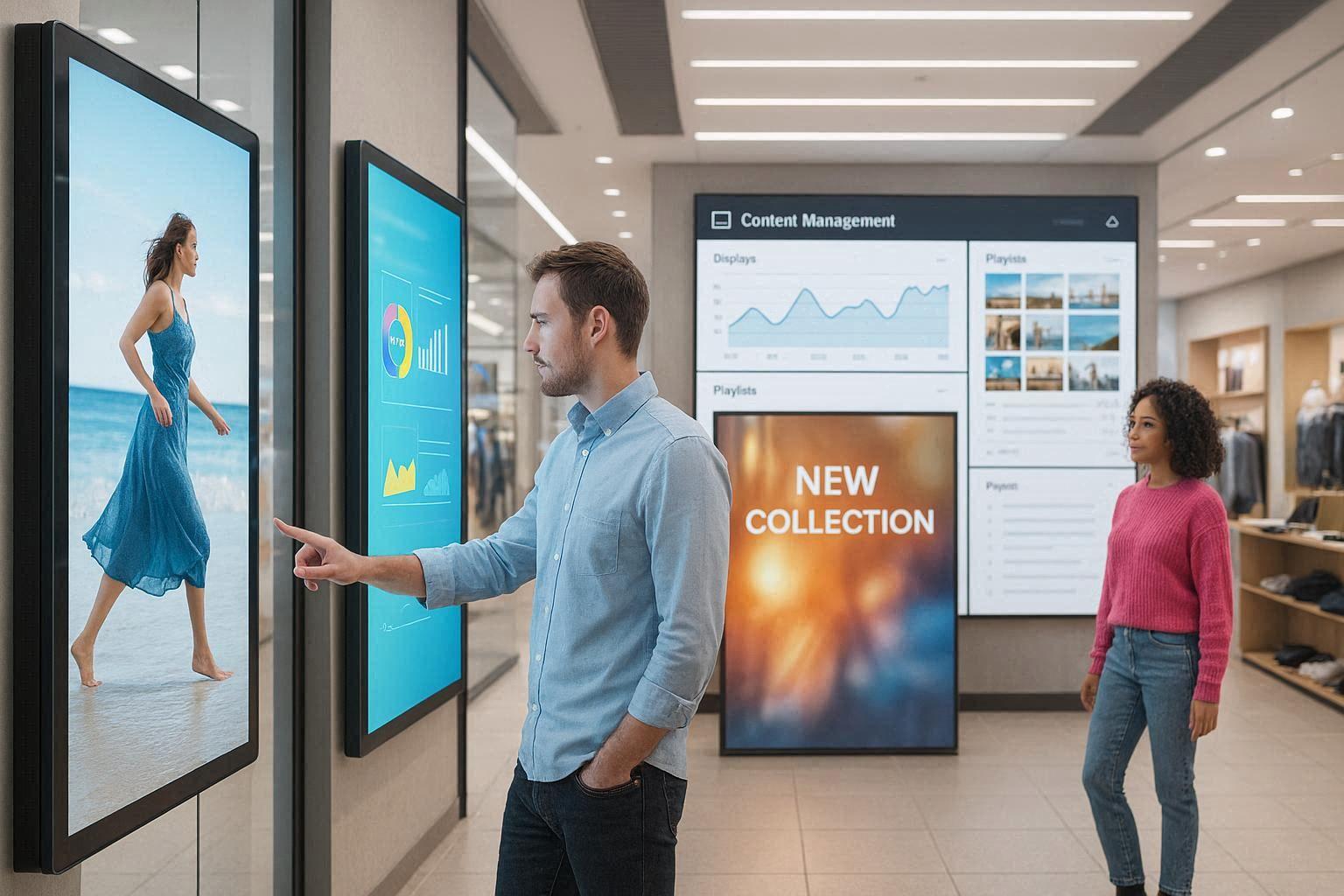
Beyond Traditional Signage to Interactive Experiences
Walk through any modern retail space, corporate lobby, or public venue and you'll notice something—static posters and printed signs are disappearing. In their place, dynamic screens deliver timely, relevant content that captures attention and drives action.
This shift represents more than aesthetic preference. It reflects fundamental changes in how organizations communicate with audiences in physical spaces.
The Power of Centralized Content Management
Traditional signage required physical printing, manual distribution, and costly updates. Want to change a promotion? Print new materials. Need to update pricing? Replace every sign. This approach wasted time, money, and opportunities.
Modern digital signage solutions eliminate these limitations entirely. Content updates happen instantly across all displays from centralized dashboards. A restaurant chain updates menus simultaneously across hundreds of locations. A corporate office refreshes messaging across floor displays in seconds.
This centralization creates agility impossible with traditional methods. Flash sales, emergency communications, time-sensitive announcements—all deploy instantly without physical distribution or manual replacement.
Content That Responds and Adapts
The real transformation goes beyond remote updates. Intelligent displays deliver different content based on time, location, audience demographics, or external triggers like weather conditions.
Morning coffee shop displays show breakfast specials. By lunch, menus shift automatically. Evening hours highlight different offerings—all without manual intervention. This contextual relevance increases engagement significantly compared to static messaging.
Integration Across Platforms
Smart organizations recognize that screens in physical locations represent just one touchpoint in broader digital strategies. The same content infrastructure often powers multiple channels simultaneously.
This is where technologies like mobile video SDK enable unified content delivery across in-location displays and personal devices. Customers might see a promotion on lobby signage, then access detailed information on their smartphones—seamless integration that connects physical and digital experiences.
Measuring What Matters
Unlike traditional signage, digital displays generate actionable data. Track which content captures attention, measure dwell time, understand peak engagement periods. These insights inform content strategy with actual behavior rather than assumptions.
Organizations optimize messaging based on what measurably works, creating continuous improvement cycles impossible with static displays.
Making the Strategic Shift
The technology has matured. Costs have decreased. Audience expectations have evolved. Organizations still relying on printed signage miss opportunities to engage dynamically, update instantly, and measure effectively.
- Travel
- Equality
- Faith & Spirituality
- Beauty
- Writing
- Gaming
- Movies
- Music
- Tech
- Self Improvement
- Relationships
- Programming Languages
- Data Science
- Sicurezza
- Blockchain
- Spirituality
- Formazione
- Life
- Productivity
- Culture
- U.s Politics
- Health Politics
- Climate & Environment
- International
- Humor
- Philosophy
- Elenco
- Mindfulness
- Relationships
- Creator Economy
- Business
- Marketing
- How To
- Lifestyle
- Art
- Causes
- Crafts
- Dance
- Drinks
- Film
- Fitness
- Food
- Giochi
- Gardening
- Health
- Home
- Literature
- Music
- Networking
- Altre informazioni
- Party
- Religion
- Shopping
- Sports
- Theater
- Wellness
 Italiano
 English
 Arabic
 French
 Spanish
 Portuguese
 Deutsch
 Turkish
 Dutch
Dutch
 Russian
 Romaian
 Portuguese (Brazil)
 Greek
Greek