



Breaking the Delay Barrier: How Low Latency Transforms Live Broadcasting
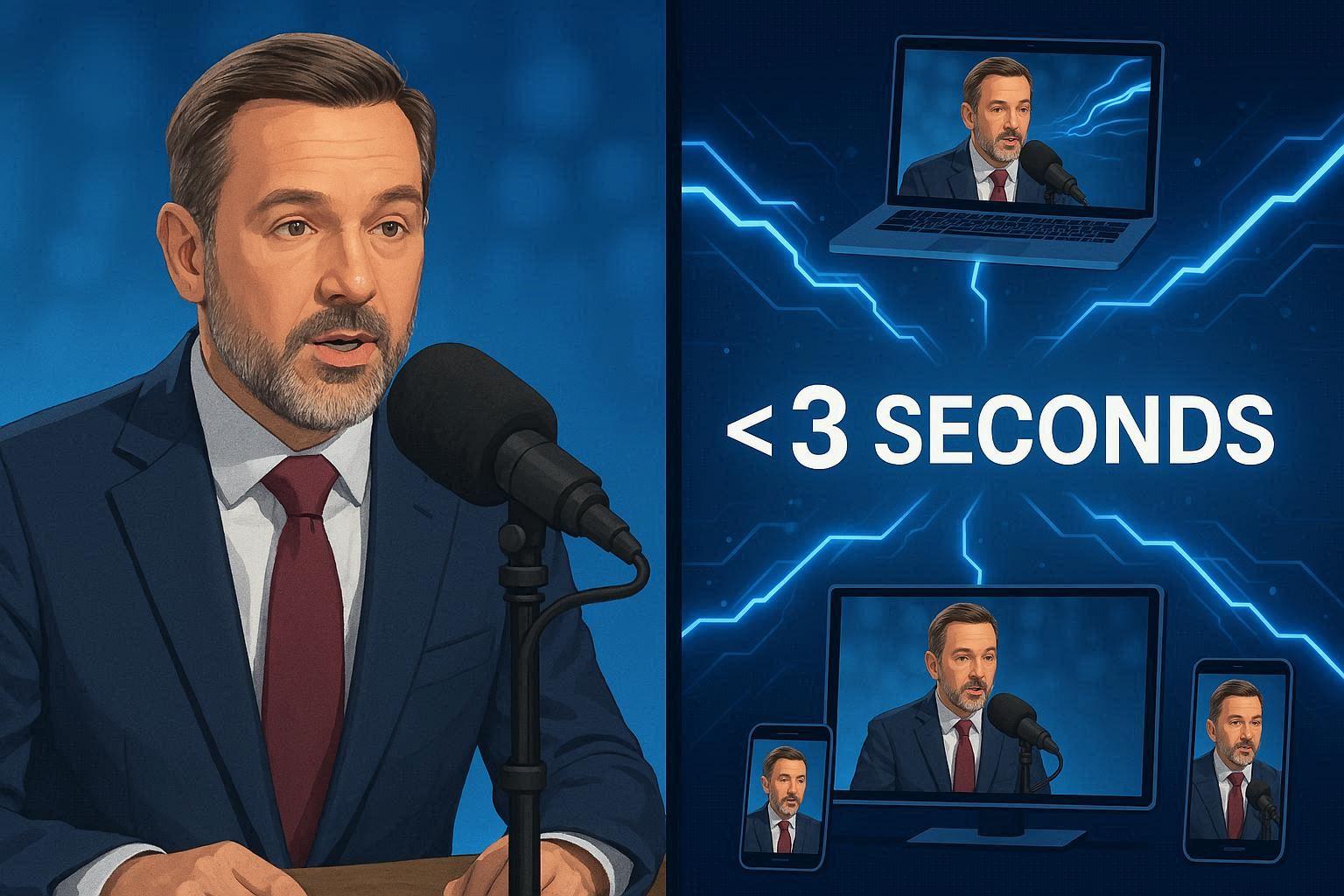
Picture hosting a live Q&A where questions arrive 30 seconds late. By the time you answer, viewers have moved on. This disconnect kills engagement—and that's precisely why low latency video streaming has become the gold standard for interactive broadcasts.
Traditional streaming often introduces 20-45 second delays between capture and playback. While acceptable for recorded content, this lag destroys real-time interaction. Modern low latency solutions slash this to under 3 seconds, creating genuine two-way conversations that feel natural and immediate.
The Technology Powering Real-Time Connection
Achieving near-instant delivery requires rethinking the entire streaming pipeline. Instead of buffering large chunks of video, low latency protocols transmit smaller segments rapidly. Technologies like WebRTC bypass traditional CDN routing, establishing direct peer connections that dramatically reduce travel time.
This speed boost opens doors for entirely new experiences. Live auctions become viable when bidders see updates instantly. Gaming streamers can respond to chat without awkward delays. Virtual fitness instructors can correct form in real-time, making online classes feel personal.
Building Interactive Experiences That Captivate
The real power emerges when you combine minimal delay with robust live video streaming platforms. This combination enables features that were impossible with traditional broadcasting:
Interactive polling during webinars gets immediate results. Live shopping hosts can answer product questions as they arise. Educational broadcasters create engaging classrooms where students participate actively rather than passively watching.
I recently helped a cooking show transition to low latency broadcasting. The host could finally respond to viewer questions while ingredients were still on the cutting board. Engagement rates tripled, and viewers stayed twice as long.
Choosing the Right Solution for Your Needs
Not every broadcast requires ultra-low latency. Pre-recorded concerts or one-way presentations work fine with standard delays. But if interaction drives your content strategy, every second counts.
Consider your audience expectations and content type. Live sports commentary, breaking news coverage, and interactive workshops demand minimal delay. The investment in proper infrastructure pays dividends through increased viewer satisfaction and longer watch times.
As audiences grow accustomed to instant communication in every aspect of digital life, delayed broadcasting feels increasingly outdated. Future-proof your streaming strategy by embracing technologies that connect rather than separate you from your viewers.
- Travel
- Equality
- Faith & Spirituality
- Beauty
- Writing
- Gaming
- Filmes
- Music
- Tech
- Self Improvement
- Relationships
- Programming Languages
- Data Science
- Segurança
- Blockchain
- Spirituality
- Educação
- Life
- Productivity
- Culture
- U.s Politics
- Health Politics
- Climate & Environment
- International
- Humor
- Philosophy
- Stories
- Mindfulness
- Relationships
- Creator Economy
- Business
- Marketing
- How To
- Lifestyle
- Art
- Causes
- Crafts
- Dance
- Drinks
- Film
- Fitness
- Food
- Jogos
- Gardening
- Health
- Início
- Literature
- Music
- Networking
- Outro
- Party
- Religion
- Shopping
- Sports
- Theater
- Wellness
 Portuguese (Brazil)
 English
 Arabic
 French
 Spanish
 Portuguese
 Deutsch
 Turkish
 Dutch
Dutch
 Italiano
 Russian
 Romaian
 Greek
Greek