



Vinegar Market gaining momentum through product premiumization and diversification across distribution networks
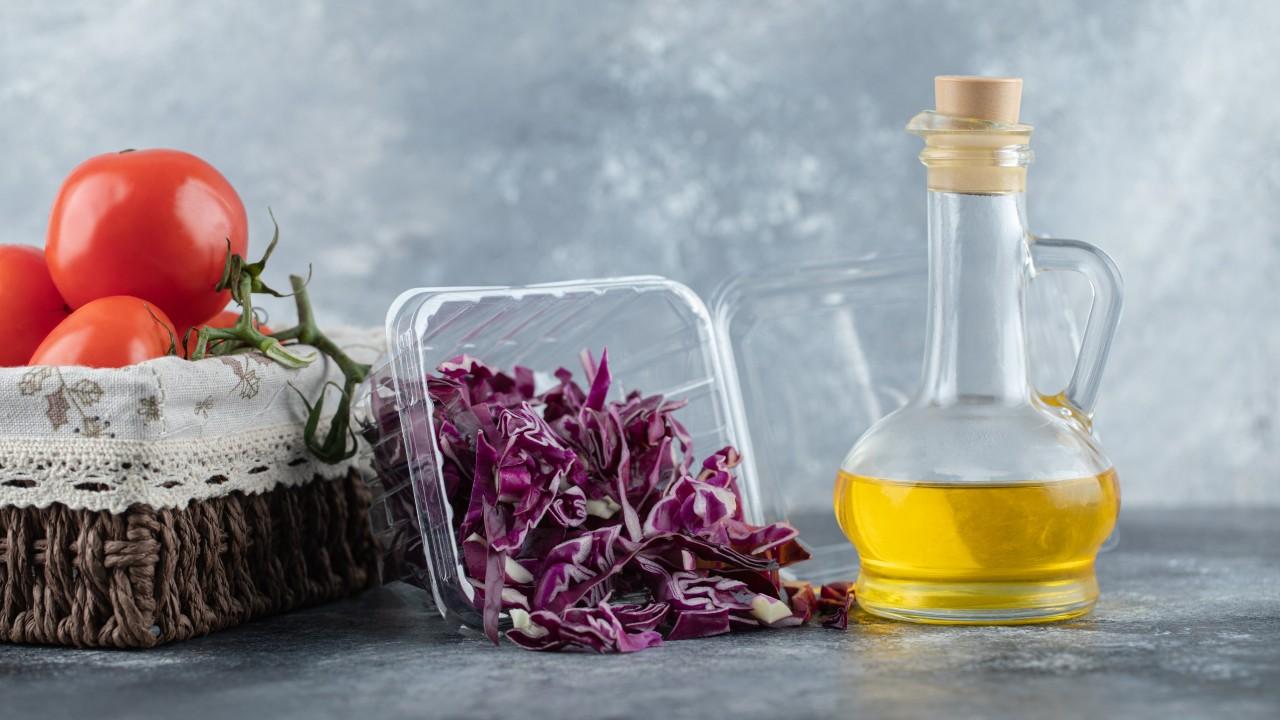
Premium product development and expanding distribution channels are accelerating global vinegar market growth, enhancing accessibility and consumer engagement across regions.
Vinegar Market is gaining momentum as manufacturers embrace product premiumization and expand their distribution networks to meet growing global demand. The evolving preferences of consumers for authentic, high-quality, and health-oriented products are encouraging producers to invest in innovation and brand differentiation. Premium vinegar offerings, such as artisanal, fruit-infused, and aged varieties, have elevated vinegar’s perception from a basic kitchen ingredient to a gourmet and wellness product. Simultaneously, the rise of e-commerce platforms and modern retail formats has improved accessibility and awareness. This dual focus on quality and reach is reshaping the competitive dynamics of the global vinegar market.
Rise of Premium and Artisanal Vinegars
The global shift toward premium food experiences has spurred a surge in demand for artisanal vinegar products. Consumers are now willing to pay higher prices for unique flavors, superior ingredients, and traditional production methods. Balsamic vinegar, fruit-based blends, and infused vinegars with herbs, spices, or honey are gaining popularity among gourmet consumers. Producers are focusing on small-batch manufacturing and aged variants that deliver complex flavor profiles. Premium packaging and branding further contribute to the product’s upscale appeal. This trend toward premiumization not only enhances brand value but also encourages consumers to explore vinegar as a luxury culinary ingredient rather than a commodity.
Influence of Health and Wellness Trends
Health and wellness trends continue to influence the growing interest in premium vinegar. Varieties such as apple cider vinegar, rice vinegar, and coconut vinegar are being recognized for their digestive and metabolic benefits. Consumers who value natural and functional ingredients are driving this movement. Organic and unfiltered vinegar products, rich in probiotics and enzymes, are especially popular among health-conscious individuals. This convergence of wellness and premiumization enables manufacturers to position their products within both gourmet and functional categories, appealing to a broader range of consumers seeking authenticity and health benefits simultaneously.
Expanding Retail and E-Commerce Distribution
The expansion of distribution channels has played a critical role in driving vinegar market growth. Traditional grocery stores, specialty food retailers, and supermarkets continue to serve as primary sales channels, while e-commerce has emerged as a game-changer for accessibility. Online platforms enable consumers to discover diverse vinegar varieties, compare quality, and purchase directly from producers. Global marketplaces highlight premium and organic vinegar products through dedicated wellness and gourmet sections. Subscription models and direct-to-consumer strategies are also increasing brand visibility. This omnichannel approach ensures consistent product availability and helps brands engage with new audiences worldwide.
Role of Private Labels and Local Producers
Private label brands and local producers are contributing significantly to market diversification. Retail chains are launching their own vinegar lines featuring locally sourced or organic ingredients, offering consumers affordable premium alternatives. Small-scale producers are differentiating their products through regional specialties and storytelling about heritage production methods. These locally driven initiatives add depth to the market by catering to niche preferences and regional tastes. Private labels also foster competition, encouraging established brands to enhance product innovation and maintain consistent quality across their distribution networks.
Strategic Partnerships and Global Reach
Collaborations between food manufacturers, distributors, and e-commerce platforms are strengthening the global supply chain for vinegar products. Strategic partnerships allow brands to expand internationally by leveraging existing retail infrastructure and digital marketing channels. Export-oriented producers are particularly focusing on North America, Europe, and Asia-Pacific, where consumer awareness and disposable incomes are high. Such alliances improve market penetration and ensure efficient distribution across multiple channels. Furthermore, cross-brand promotions with health and wellness companies are enhancing vinegar’s visibility as a lifestyle product that bridges culinary enjoyment and wellbeing.
Innovation in Packaging and Branding
Premiumization has extended beyond product formulation into packaging and brand design. Producers are investing in eco-friendly glass bottles, minimalistic labeling, and premium aesthetics that reflect sustainability and sophistication. Transparent packaging allows consumers to visually assess the product, reinforcing perceptions of purity and quality. Brands are also using storytelling-driven marketing to emphasize heritage, craftsmanship, and ethical sourcing. Such branding strategies help consumers connect emotionally with the product, transforming vinegar from a basic pantry item into an aspirational purchase. This focus on design and authenticity supports long-term customer loyalty.
Regional Market Perspectives
Regional preferences and distribution dynamics continue to shape the pace of market expansion. In Europe, artisanal vinegar has deep cultural roots, particularly in Italy, France, and Spain, where traditional craftsmanship adds value. North America shows strong demand for functional and organic vinegar products through both retail and online channels. Asia-Pacific, driven by urbanization and rising incomes, is witnessing fast growth in flavored and health-oriented vinegar varieties. Local producers in countries such as Japan and India are also contributing through innovative blends that cater to evolving regional palates. The diversification across regions highlights vinegar’s adaptability to various culinary and cultural contexts.
Future Outlook: Quality and Accessibility Defining Growth
The future of the global vinegar market will be defined by the balance between premium quality and broad accessibility. As consumer expectations evolve, manufacturers will continue to innovate in flavor development, sustainable sourcing, and digital engagement. Premium vinegars will dominate gourmet and wellness segments, while mass-market distribution will ensure affordability and convenience. Companies that successfully integrate quality with availability across digital and physical channels will achieve long-term competitiveness. Ultimately, product premiumization and diversified distribution will shape vinegar’s identity as both a luxury and essential household product in the global market.
- Travel
- Equality
- Faith & Spirituality
- Beauty
- Writing
- Gaming
- Movies
- Music
- Tech
- Self Improvement
- Relationships
- Programming Languages
- Data Science
- Güvenlik
- Blockchain
- Spirituality
- EĞİTİM BİLGİLERİ
- Life
- Productivity
- Culture
- U.s Politics
- Health Politics
- Climate & Environment
- International
- Humor
- Philosophy
- Rehber
- Mindfulness
- Relationships
- Creator Economy
- Business
- Marketing
- How To
- Lifestyle
- Art
- Causes
- Crafts
- Dance
- Drinks
- Film
- Fitness
- Food
- Oyunlar
- Gardening
- Health
- Home
- Literature
- Music
- Networking
- Other
- Party
- Religion
- Shopping
- Sports
- Theater
- Wellness
 Turkish
 English
 Arabic
 French
 Spanish
 Portuguese
 Deutsch
 Dutch
Dutch
 Italiano
 Russian
 Romaian
 Portuguese (Brazil)
 Greek
Greek