


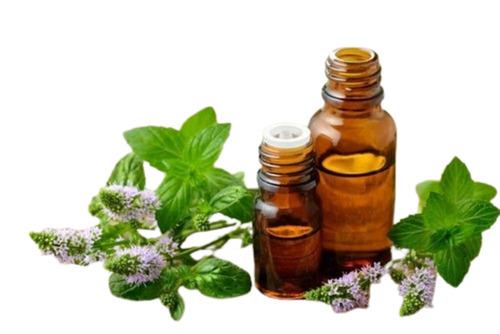
Increasing preference for chemical-free products is boosting global demand for herbal fragrance ingredients as consumers prioritize cleaner, safer, naturally derived aromatic solutions.
Herbal Fragrance Ingredients Market drivers continue strengthening as consumers shift from synthetic formulations toward chemical-free options for daily personal and household applications. This transition reflects growing awareness of the potential risks associated with artificial fragrance compounds and an increased desire for naturally sourced aromatic ingredients. As people seek products that feel safer and more transparent, manufacturers are compelled to redesign formulas using botanically derived scents. This rising focus on natural ingredients is reshaping product categories across skincare, haircare, homecare, and wellness. The shift also influences industry strategies, encouraging suppliers to improve sourcing practices and extraction methods that ensure purity, sustainability, and better alignment with consumer expectations for cleaner fragrance solutions.
Growing Preferences for Safer and Cleaner Product Experiences
Many consumers now evaluate fragrance-containing products based on perceived safety, origin, and overall environmental footprint. This shift encourages wider acceptance of herbal scents as credible alternatives to synthetic variants traditionally used for convenience and cost efficiency. The preference for cleaner formulas stems from increasing concerns about allergens, respiratory sensitivity, and long-term exposure to artificial chemicals. As individuals adopt more mindful purchasing habits, companies respond by strengthening their natural ingredient claims and expanding their use of plant-based fragrances. This evolution is visible across several industries, particularly in regions where regulatory authorities encourage transparent ingredient disclosure. The focus on safer aromatic profiles is driving sustained interest in herbs, flowers, leaves, and resins capable of delivering gentle yet effective fragrance characteristics.
Influence of Wellness-Focused Lifestyles on Market Behavior
The wellness movement has accelerated acceptance of herbal fragrance ingredients by linking natural scents with emotional balance and healthier living. Consumers seeking relaxation, focus, or stress relief often turn to botanical aromas believed to support mental well-being. This trend influences product development in aromatherapy, spa treatments, home ambiance, and bath essentials. As these categories expand, demand for authentic, minimally processed herbal elements increases. Companies integrate such ingredients to align with consumer expectations for holistic daily routines centered around clean and comforting scents. Wellness-driven purchasing decisions also help smaller brands gain visibility by emphasizing the simplicity and purity of their fragrance components. This alignment between lifestyle values and aromatic product formulations strengthens long-term market growth.
Regulatory Transparency Encouraging Natural Fragrance Adoption
Stricter rules surrounding fragrance labeling and ingredient disclosure further support the shift toward chemical-free aromatic formulations. As governments and certification bodies encourage transparency, consumers become more informed about the differences between natural and synthetic fragrance components. This clarity promotes trust in brands using herbal ingredients and encourages manufacturers to adopt cleaner sourcing strategies. Regulations emphasizing safety, traceability, and environmental responsibility make natural fragrance solutions more appealing to both producers and consumers. The alignment of regulatory systems with public expectations reduces uncertainty and reinforces the role of herbal scents as viable alternatives for daily-use products. This regulatory momentum enhances industry motivation to prioritize plant-based aroma development.
Increased Appeal of Plant-Derived Aromas in Beauty and Personal Care
Beauty and personal care sectors have experienced significant transformation as shoppers seek products free from artificial additives. Plant-derived fragrance ingredients now play a central role in formulations designed for sensitive skin, minimalistic routines, and clean beauty standards. Consumers increasingly connect natural aromas with authenticity, wellness, and a reduced risk of irritation. This association influences product positioning across facial care, body lotions, deodorants, and natural perfumes. Brands adopting herbal scents often emphasize purity and gentle functionality, reinforcing trust among users seeking safer alternatives. The consistent rise in demand across these categories demonstrates how consumer preferences guide manufacturers toward sustainable and botanically inspired fragrance innovations.
Homecare Products Embracing Cleaner Aromatic Profiles
Household products also reflect the rising preference for chemical-free fragrances, leading to increased incorporation of herbal ingredients in cleaners, detergents, and air-freshening solutions. Many consumers prefer home environments scented with natural aromas that feel calming rather than overwhelming. This preference boosts interest in citrus peels, leaves, roots, and aromatic woods that provide refreshing yet mild scent experiences. As families become more conscious of indoor air quality, products formulated with herbal fragrances gain traction. Manufacturers benefit from emphasizing natural aromatic sources, reassuring consumers that daily-use products contribute to healthier interiors. This steady demand encourages continued innovation in homecare categories relying on plant-derived fragrance options.
Supply Chain Adjustments Supporting Natural Ingredient Demand
The increasing shift toward cleaner fragrance choices requires suppliers to adjust sourcing, farming, and extraction practices. Reliable access to high-quality botanical materials becomes essential as demand strengthens across various markets. Many suppliers invest in sustainable cultivation techniques and long-term partnerships with farmers to ensure consistent ingredient availability. Improved extraction methods also help maintain natural fragrance integrity while meeting safety and environmental expectations. The commitment to ethical and transparent practices supports industry credibility and promotes stable growth. As more producers prioritize herbal fragrance solutions, supply chains evolve to meet rising expectations for purity, consistency, and environmentally responsible sourcing.
Evolving Consumer Education Strengthening Market Drivers
Continued education about natural fragrance benefits plays an important role in shaping purchasing behavior. As consumers learn more about botanical aromas and their origins, they develop stronger trust in plant-based alternatives. This awareness motivates individuals to seek products with clear ingredient lists and recognizable natural elements. Manufacturers use this trend to highlight the advantages of herbal fragrance ingredients, reinforcing their appeal among increasingly informed buyers. With growing alignment between consumer understanding, product development, and market availability, the shift toward chemical-free daily applications is set to strengthen further. This synergy ensures that herbal fragrance ingredients remain central to evolving aromatic preferences across global markets.

 English
 Arabic
 French
 Spanish
 Portuguese
 Deutsch
 Turkish
 Dutch
Dutch
 Italiano
 Russian
 Romaian
 Greek
Greek