


D365 for Every Industry: See How It Adapts to Unique Business Needs
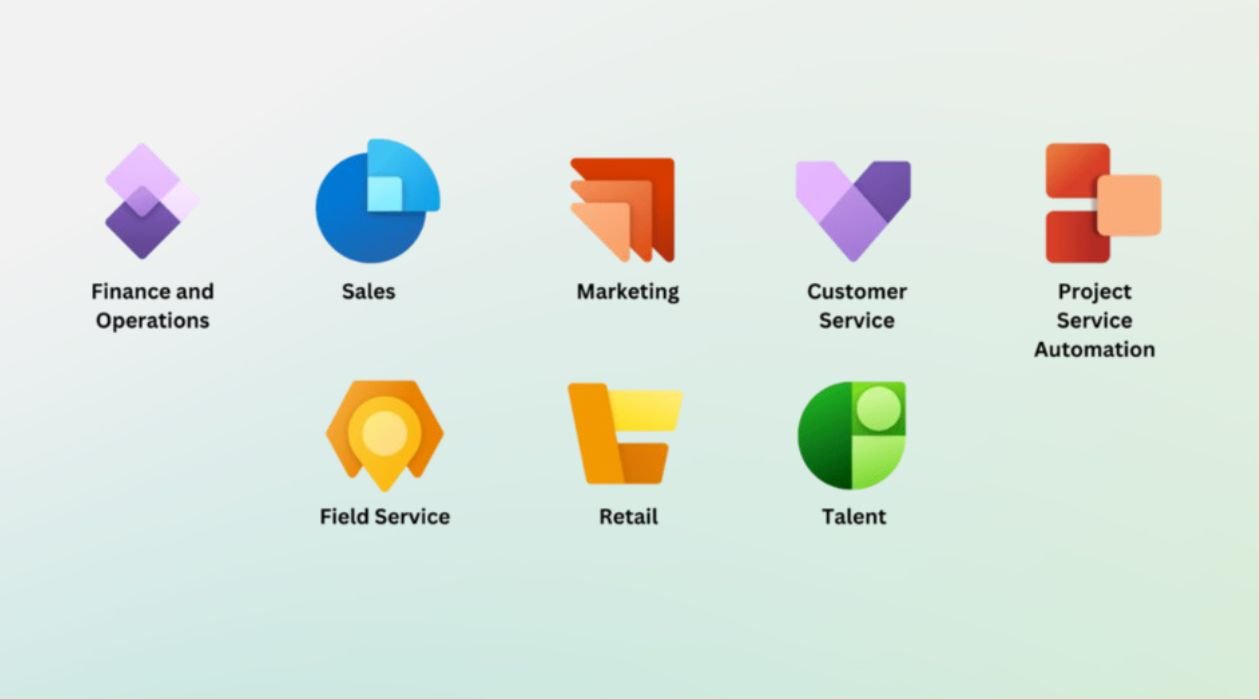
In today’s fast-evolving business landscape, organizations need adaptable, intelligent, and scalable solutions to stay competitive. Microsoft Dynamics 365 (D365) stands out as a leading enterprise resource planning (ERP) and customer relationship management (CRM) platform that seamlessly adapts to various industries. Whether it’s retail, manufacturing, healthcare, or finance, D365 offers industry-specific modules powered by AI, automation, and cloud computing.
This article explores how D365 tailors its features to meet the distinct needs of different sectors, ensuring efficiency, compliance, and growth.
1. D365 for Retail: Enhancing Customer Experience & Supply Chain Efficiency
Challenges in Retail
Retailers face challenges like inventory mismanagement, omnichannel integration, and personalized customer engagement.
How D365 Adapts
-
Unified Commerce: Integrates online and offline sales for seamless customer experiences.
-
AI-Driven Insights: Uses predictive analytics for demand forecasting and personalized recommendations.
-
Inventory Optimization: Real-time tracking reduces stockouts and overstocking.
-
Customer Engagement: Dynamics 365 Customer Insights helps tailor marketing strategies.
Example: A global fashion retailer uses Dynamics 365 solutions to synchronize e-commerce and in-store sales, reducing fulfillment delays by 30%.
2. D365 for Manufacturing: Boosting Productivity & Smart Operations
Challenges in Manufacturing
Manufacturers struggle with supply chain disruptions, equipment downtime, and compliance risks.
How D365 Adapts
-
IoT & Predictive Maintenance: Monitors machinery health to prevent breakdowns.
-
Supply Chain Visibility: Tracks raw materials and automates procurement.
-
Production Scheduling: AI optimizes workflows to reduce bottlenecks.
-
Regulatory Compliance: Ensures adherence to industry standards like ISO and FDA.
Example: An automotive manufacturer leverages D365 to reduce machine downtime by 25% using IoT-driven predictive analytics.
3. D365 for Healthcare: Improving Patient Care & Operational Efficiency
Challenges in Healthcare
Providers deal with patient data security, appointment scheduling inefficiencies, and regulatory compliance (HIPAA, GDPR).
How D365 Adapts
-
Electronic Health Records (EHR): Centralizes patient data securely.
-
Appointment Management: Reduces no-shows with automated reminders.
-
AI-Powered Diagnostics: Assists in early disease detection.
-
Billing & Claims Processing: Automates insurance workflows to minimize errors.
Example: A hospital network uses D365 to streamline patient records, cutting administrative workload by 40%.
4. D365 for Financial Services: Ensuring Compliance & Risk Management
Challenges in Finance
Banks and insurers face fraud risks, regulatory pressures, and customer retention issues.
How D365 Adapts
-
Fraud Detection: AI identifies suspicious transactions in real time.
-
Customer 360 View: Tracks interactions for personalized banking experiences.
-
Regulatory Reporting: Automates compliance with GDPR, SOX, and AML laws.
-
Loan & Portfolio Management: Optimizes risk assessment and approvals.
Example: A fintech firm reduces fraud cases by 50% using D365’s AI-based anomaly detection.
5. D365 for Professional Services: Optimizing Project Management
Challenges in Consulting & Legal Firms
Inefficient resource allocation, billing inaccuracies, and client management hurdles.
How D365 Adapts
-
Resource Scheduling: Matches consultants to projects based on skills.
-
Time & Expense Tracking: Automates invoicing for accuracy.
-
Client Portals: Enhances collaboration with secure document sharing.
-
AI-Powered Analytics: Predicts project risks and profitability.
Example: A law firm improves billable hours by 20% using D365’s automated time tracking.
6. D365 for Nonprofits: Driving Donor Engagement & Fund Management
Challenges in Nonprofits
Donor retention, grant compliance, and fundraising inefficiencies.
How D365 Adapts
-
Donor Management: Tracks contributions and engagement history.
-
Grant Management: Ensures compliance with funding requirements.
-
Campaign Automation: Streamlines fundraising efforts.
-
Impact Reporting: Measures program effectiveness for stakeholders.
Example: A charity increases donor contributions by 35% using D365’s targeted outreach tools.
7. D365 for Education: Enhancing Learning & Administrative Efficiency
Challenges in Education
Student retention, administrative overhead, and remote learning management.
How D365 Adapts
-
Student Information Systems (SIS): Manages enrollment and performance data.
-
Virtual Learning Integration: Supports hybrid classrooms.
-
AI Tutoring: Provides personalized learning recommendations.
-
Alumni Engagement: Tracks graduates for fundraising and networking.
Example: A university reduces dropout rates by 15% using D365’s student success analytics.
Conclusion: Why D365 is the Future of Industry-Specific ERP & CRM
Microsoft Dynamics 365 is not a one-size-fits-all solution—it’s a flexible, AI-driven platform that evolves with industry demands. From retail to healthcare, finance to education, D365 provides tailored tools to enhance efficiency, compliance, and customer satisfaction.
As businesses continue to digitalize, D365’s cloud-based architecture, automation, and AI capabilities ensure it remains at the forefront of enterprise innovation. Organizations that adopt D365 gain a competitive edge by transforming challenges into opportunities for growth.
Final Thoughts
Is your industry leveraging D365’s full potential? With continuous updates and industry-specific enhancements, Dynamics 365 is redefining how businesses operate—making it the ultimate solution for a digitally driven future
- Travel
- Equality
- Faith & Spirituality
- Beauty
- Writing
- Gaming
- Movies
- Music
- Tech
- Self Improvement
- Relationships
- Programming Languages
- Data Science
- Security
- Blockchain
- Spirituality
- Education
- Life
- Productivity
- Culture
- U.s Politics
- Health Politics
- Climate & Environment
- International
- Humor
- Philosophy
- History
- Mindfulness
- Relationships
- Creator Economy
- Business
- Marketing
- How To
- Lifestyle
- Art
- Causes
- Crafts
- Dance
- Drinks
- Film
- Fitness
- Food
- Games
- Gardening
- Health
- Home
- Literature
- Music
- Networking
- Other
- Party
- Religion
- Shopping
- Sports
- Theater
- Wellness
 English
 Arabic
 French
 Spanish
 Portuguese
 Deutsch
 Turkish
 Dutch
Dutch
 Italiano
 Russian
 Romaian
 Portuguese (Brazil)
 Greek
Greek