



Is Authenticity Dead? The Battle Between Curation and Truth
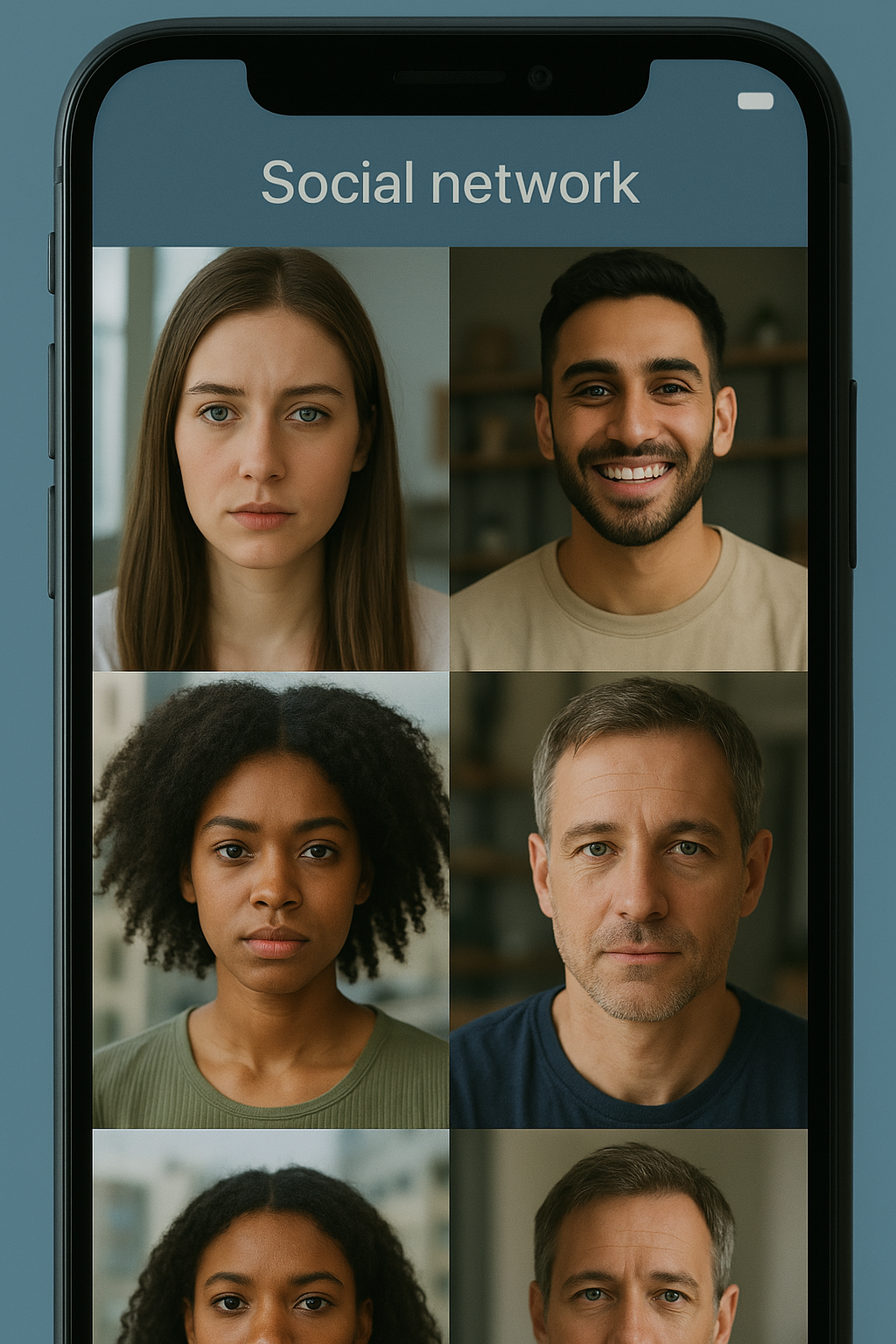
In a world of carefully curated social media personas, deepfake technology, and corporate branding that hinges on relatability, authenticity feels like an endangered species. But is it truly dead, or has it simply evolved into something harder to recognize?
The Illusion of Authenticity
At first glance, society seems obsessed with authenticity. Brands market themselves as “real,” influencers preach vulnerability, and celebrities get raw on podcasts. Yet, much of this is engineered crafted to feel genuine without actually risking much. Even businesses understand the currency of authenticity, strategically weaving it into their marketing to form emotional connections.
So, if we’re consuming packaged authenticity, can it still be considered authentic?
The Role of Digital Media
Social media has blurred the lines between personal truth and public performance. The pressure to maintain an online presence encourages selective vulnerability just enough to appear relatable but never too much to lose control of the narrative. Authenticity is now measured in likes, comments, and shares.
The question remains: are we more interested in being authentic, or simply looking authentic?
The Need for True Connection
Despite these challenges, authenticity isn’t extinct it’s just harder to find. It thrives in honest conversations, unfiltered emotions, and genuine interactions. People still crave truth, even if the digital landscape makes it harder to distinguish real from performative.
Perhaps authenticity isn’t dead it’s simply hidden beneath layers of branding, algorithms, and societal expectations. The challenge now is finding it, celebrating it, and encouraging its revival.
What do you think? Is authenticity truly disappearing, or are we just looking in the wrong places?
- Travel
- Equality
- Faith & Spirituality
- Beauty
- Writing
- Gaming
- Movies
- Music
- Tech
- Self Improvement
- Relationships
- Programming Languages
- Data Science
- Securitate
- Blockchain
- Spirituality
- Educaţie
- Life
- Productivity
- Culture
- U.s Politics
- Health Politics
- Climate & Environment
- International
- Humor
- Philosophy
- Director
- Mindfulness
- Relationships
- Creator Economy
- Business
- Marketing
- How To
- Lifestyle
- Art
- Causes
- Crafts
- Dance
- Drinks
- Film
- Fitness
- Food
- Jocuri
- Gardening
- Health
- Home
- Literature
- Music
- Networking
- Alte
- Party
- Religion
- Shopping
- Sports
- Theater
- Wellness
 Romaian
 English
 Arabic
 French
 Spanish
 Portuguese
 Deutsch
 Turkish
 Dutch
Dutch
 Italiano
 Russian
 Portuguese (Brazil)
 Greek
Greek